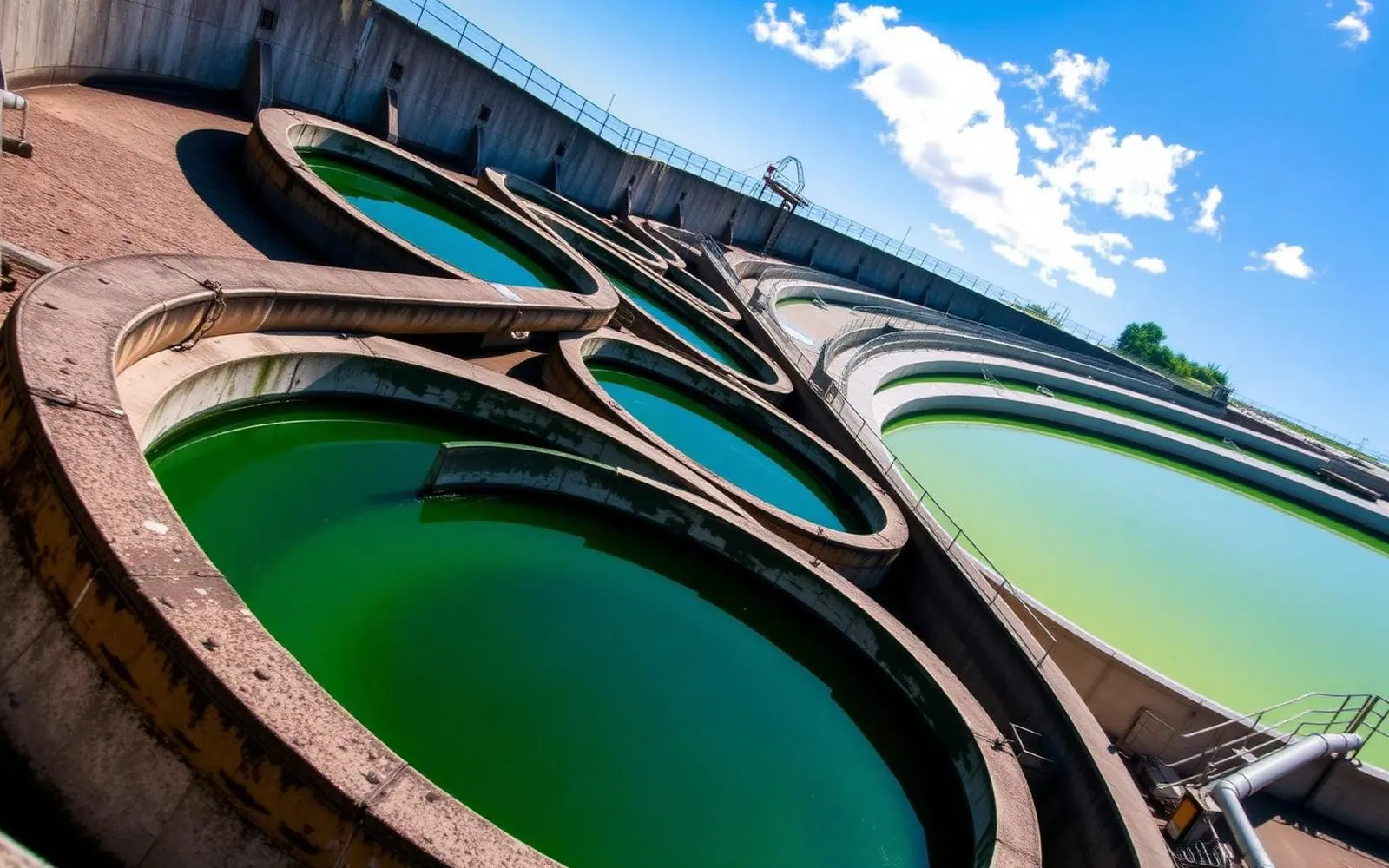
Gas Detection & Monitoring for Wastewater
Wastewater collection and treatment naturally create changing gas conditions. Anaerobic areas can generate hydrogen sulfide and methane; treatment chemicals can introduce chlorine, ammonia or sulfur dioxide hazards; wet wells, digesters and enclosed spaces can become oxygen-deficient; and industrial influent can add unexpected VOCs. Safeguard configures monitoring around how gases are generated and where they migrate - using point detection for chemical rooms and critical hazards, fixed multi-gas systems at process locations, and distributed monitoring across collection, treatment and perimeter areas.
Gases we monitor in wastewater
Representative gas set only. Final monitoring configuration depends on process chemistry, operating conditions, hazard analysis and site requirements.
Fixed applications
- Continuous H₂S and methane monitoring to prevent toxic exposure and explosion risks
- Methane, H₂S, and oxygen monitoring for safe operation and regulatory compliance
- Chlorine and ammonia leak detection to prevent toxic exposure and contamination
- Oxygen-level monitoring in tanks, vaults, and manholes during maintenance
- Methane and H₂S detection to mitigate toxic and combustion risks
Wireless applications
- Portable wireless detectors for confined spaces and high-risk work where fixed coverage is absent
- Coverage where running wired infrastructure is impractical
- Rapid deployment during spills, leaks, and gas-related incidents
- Detect gas migration beyond facility boundaries without extensive wiring
Configuring the monitoring architecture
Every site is different. Safeguard configures the monitoring architecture around the process, the gases and the operating objective - using point detection, fixed multi-gas systems, distributed monitoring, or a hybrid of all three.
Protect the point of risk.
The hazard is localized around a known asset or release point.
Continuous gas detection at the point of risk with local alarming and communications.
See the full gas picture at one critical process.
Several gases or process variables must be measured continuously at one process, room, stack or analyzer location.
Combines multiple gas measurements into a fixed monitoring system for process, safety or emissions intelligence.
Extend continuous awareness across the site.
The risk moves across an area, perimeter, site, or multiple remote assets.
Networks multiple sensing nodes to create broader spatial coverage and centralized visibility.
Use the right monitoring architecture for each part of the site.
A site has both critical point hazards and broader area/perimeter monitoring needs.
Combines points, fixed multi-gas and distributed architectures into one operating view.
Point detection is critical around chemical rooms and known hazards; fixed multi-gas monitoring fits headworks, digesters and process areas; distributed nodes extend coverage across collection systems, odor zones, remote assets and facility perimeters.
The value does not stop at the sensor. Connected data can be centralized for event history, reporting, alerts, trend analysis, correlation, and operational recommendations.
Why it matters
Protects workers, equipment, and surrounding communities from toxic exposures and explosions.
Meets OSHA, EPA, and other standards for workplace safety and environmental protection.
Early warnings reduce downtime and enable proactive maintenance.
Prevents costly accidents, fines, and environmental remediation expenses.
Continuous tracking integrates with SCADA for immediate response.
Wireless solutions adapt to evolving plant configurations.
A comprehensive gas detection strategy keeps water and wastewater operations safe, compliant, and continuous - protecting both human and environmental health.
Other industries we serve