Gas Detection & Monitoring for Chemical
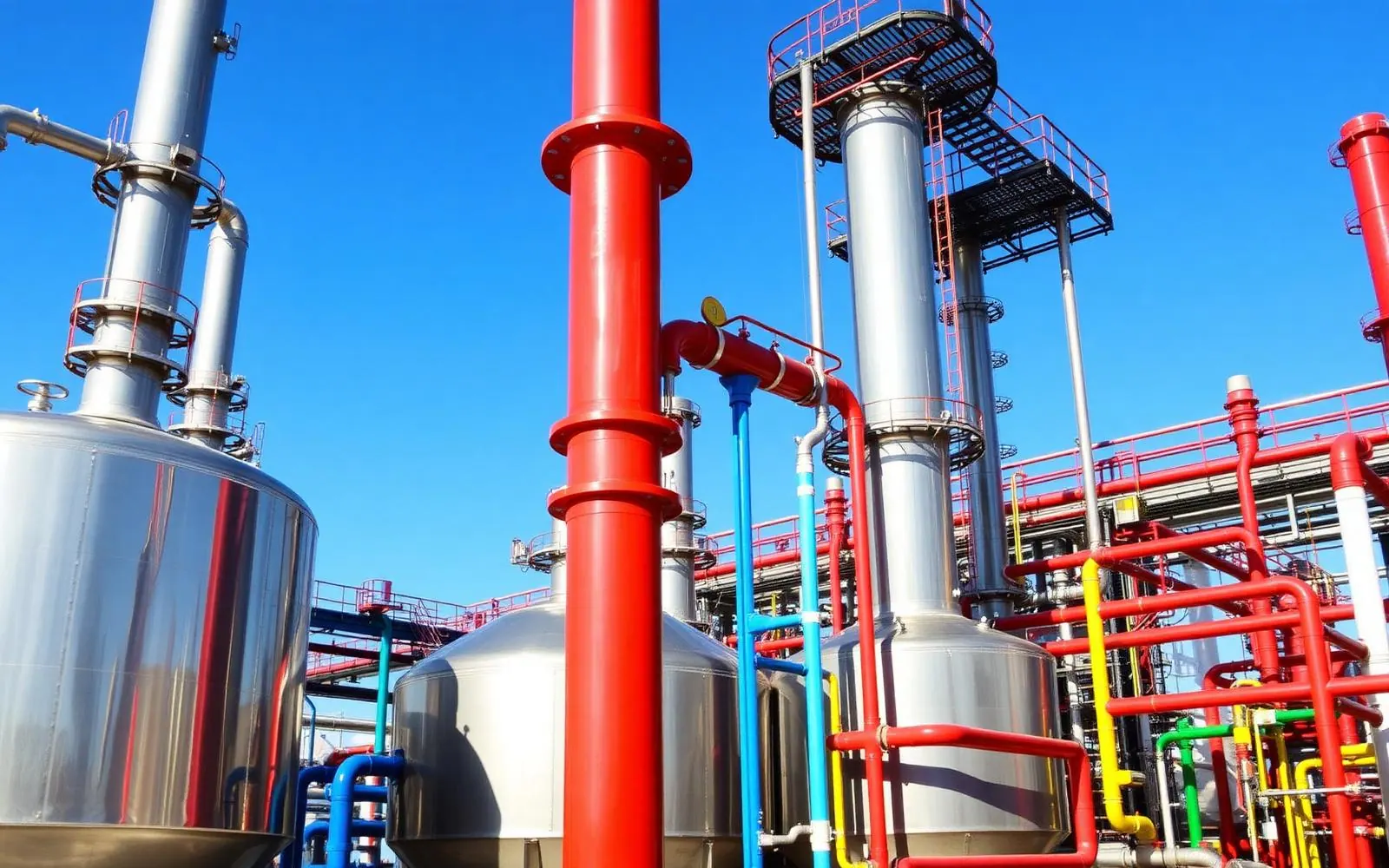
Chemical facilities do not have one standard gas profile. The monitoring strategy must follow the chemistry: raw materials, intermediates, solvents, utilities, storage systems, reactors, transfer points, and the specific failure modes that could release toxic, combustible or volatile gases. Safeguard starts with the process and the gas hazard, then configures the sensing architecture around the equipment and consequence zone. That can mean a point detector at a critical leak source, a fixed multi-gas system at a process area, distributed coverage around a unit or fenceline, or a hybrid of all three.
Gases we monitor in chemical
Representative gas set only. Final monitoring configuration depends on process chemistry, operating conditions, hazard analysis and site requirements.
Fixed applications
- Continuous LEL and toxic monitoring around reactors, pumps, and seal points
- Vapor detection at tank vents, bunds, and containment areas
- Leak detection during rail, truck, and marine transfer operations
- Hydrogen and hydrocarbon detection in enclosed equipment spaces
- Oxygen and toxic monitoring for vessel entry and inerted equipment
Wireless applications
- Temporary coverage for hot work, vessel entry, and shutdown activity
- Track fugitive emissions leaving the site without new wiring
- Rapid deployment during releases and unplanned events
Configuring the monitoring architecture
Every site is different. Safeguard configures the monitoring architecture around the process, the gases and the operating objective - using point detection, fixed multi-gas systems, distributed monitoring, or a hybrid of all three.
Protect the point of risk.
The hazard is localized around a known asset or release point.
Continuous gas detection at the point of risk with local alarming and communications.
See the full gas picture at one critical process.
Several gases or process variables must be measured continuously at one process, room, stack or analyzer location.
Combines multiple gas measurements into a fixed monitoring system for process, safety or emissions intelligence.
Extend continuous awareness across the site.
The risk moves across an area, perimeter, site, or multiple remote assets.
Networks multiple sensing nodes to create broader spatial coverage and centralized visibility.
Use the right monitoring architecture for each part of the site.
A site has both critical point hazards and broader area/perimeter monitoring needs.
Combines points, fixed multi-gas and distributed architectures into one operating view.
Use point detection at defined leak sources and high-consequence hazards; fixed multi-gas where multiple process gases must be observed together; distributed monitoring where releases can move across an operating area or perimeter.
The value does not stop at the sensor. Connected data can be centralized for event history, reporting, alerts, trend analysis, correlation, and operational recommendations.
Why it matters
Early warning on toxic and corrosive releases before exposure limits are reached.
Supports OSHA PSM, EPA RMP, and internal process safety requirements with logged data.
Catching leaks early prevents fires, releases, and unplanned shutdowns.
Continuous VOC data supports fenceline monitoring and emissions reporting.
Modbus and 4-20 mA outputs push readings straight into existing control systems.
Fixed points where hazards are permanent, wireless where the work moves.
Chemical operations run on containment. Continuous fixed and wireless gas detection is how that containment gets verified - every second, on every unit.
Other industries we serve